This editorial highlights generative AI’s transformative potential, stresses ethical considerations, and advocates responsible integration to achieve beneficial outcomes, better healthcare access, and scientific breakthroughs.

This editorial highlights generative AI’s transformative potential, stresses ethical considerations, and advocates responsible integration to achieve beneficial outcomes, better healthcare access, and scientific breakthroughs.
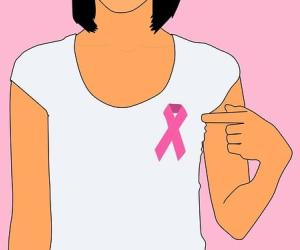
Breast cancer survivors struggle with confidence around intimacy. Eromar, a co-created design intervention, uses interactive cards to guide self-reflection and partner communication about sexual health.

Fragma, a wearable bracelet, provides real-time feedback on energy levels, allowing breast cancer patients to break tasks into manageable steps and align activities with their energy capacity.

Despite the many challenges impacting healthcare systems worldwide, there is room for optimism. Savvy consumers, patient advocates, telehealth and improved doctor-patient communications are changing healthcare delivery for the better. A video summary presented here.

Personal stories and reflections from the front lines of health care as told by doctors, patients and others committed to "better health by design".

The JHD believes in "Better health by design." Read more about the physician's vision that started it all.

The JHD uses double-blind peer-review and has an open access license under CC BY-NC-ND 4.0. We publish papers aimed at improving health care.

The JHD adheres to the highest standards in publication ethics.

The JHD's international editorial board comprises physicians, healthcare practitioners, industrial designers and more.